
Using a Buyer-Friendly Reinsurance Market to Rebuild Protection Before the Next Catastrophe Cycle
Executive Summary
The 2026 property catastrophe reinsurance market presents insurers with an unusual combination: underlying catastrophe risk remains structurally elevated, while reinsurance capital is abundant and pricing has softened materially.
Global property catastrophe pricing fell sharply through the January, April and mid-year renewals, with improved terms and greater willingness from reinsurers to provide lower-layer, frequency and multi-year protection. At the same time, natural catastrophe losses remain on a long-term upward trend as exposure growth, reconstruction costs and changing hazard patterns continue to raise the potential severity of future events.
For cedants, the strategic opportunity is therefore not simply to spend less on reinsurance. It is to use the softer market to reassess retentions, rebuild earnings protection, increase limits and diversify risk-transfer capital before the next major catastrophe or market correction changes the economics again.
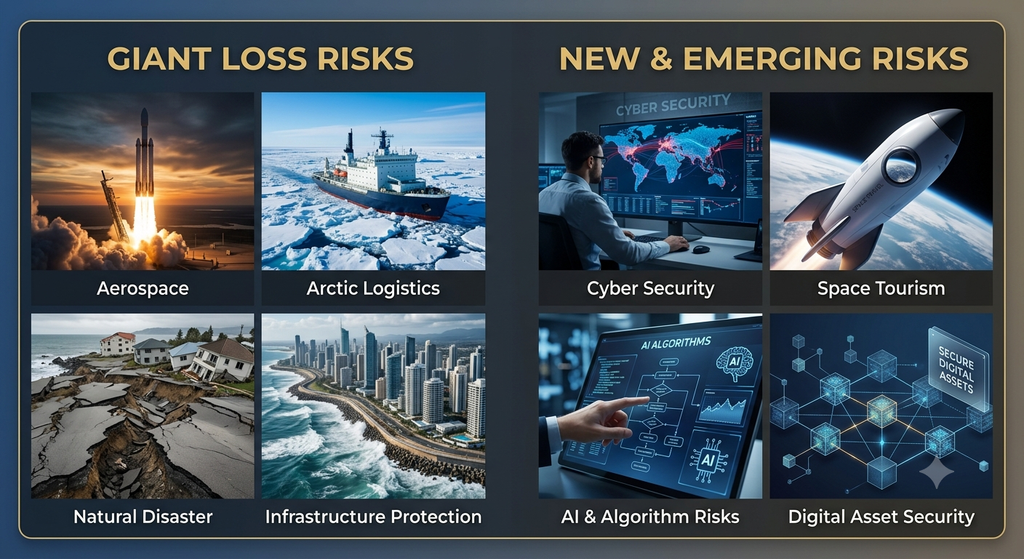
A softer reinsurance market creates an opportunity to rebuild protection while catastrophe risk remains structurally high.
🇰🇷 [한국어 (풀버전)]
2026년 재산대재해(Property Catastrophe) 재보험시장은 다소 역설적인 상황에 놓여 있습니다.
자연재해 위험은 구조적으로 높아지고 있지만, 재보험 자본은 풍부하고 가격은 크게 내려가고 있습니다.
2026년 1월 갱신에서 글로벌 Property Cat 재보험 가격지수는 약 12% 하락했고, 7월 중순 갱신에서는 약 16%까지 하락했습니다. 많은 보험사들이 두 자릿수 가격인하뿐 아니라 담보조건 개선과 추가 limit을 확보했습니다.
그러나 자연재해 손실의 장기 추세까지 내려간 것은 아닙니다. 2025년 전 세계 자연재해 보험손실은 USD 107bn이었고, 2026년 상반기는 USD 42bn으로 비교적 조용했지만 장기적으로는 보험손실이 계속 증가하는 추세입니다.
따라서 2026년의 핵심 질문은 “재보험료가 내려갔으니 얼마나 비용을 줄일 것인가”가 아닙니다. 오히려 가격이 유리한 지금 어떤 위험을 다시 재보험시장으로 넘길 것인가가 더 중요한 질문입니다.
1. 시장은 Soft해졌지만 자연재해는 약속한 것이 없다
2023년 이후의 하드마켓에서 보험사들은 높은 재보험 가격과 attachment point 상승에 대응하기 위해 더 많은 손실을 자체 보유해야 했습니다.
그 결과 많은 원수사의 재보험 프로그램은 대형 손실에 대한 자본보호는 유지했지만, 중간 규모의 사고나 여러 번 반복되는 손실에 대해서는 과거보다 더 많은 변동성을 자체 재무제표에 남기게 됐습니다.
2026년에는 상황이 달라졌습니다. 재보험사의 자본과 수익성이 개선됐고 ILS 자본도 확대되면서 시장의 공급이 다시 충분해졌습니다.
하지만 시장의 가격주기와 자연재해의 발생주기는 서로 같은 시계로 움직이지 않습니다.
2. 2025년이 보여준 것은 Peak Peril 없는 손실이다
2025년은 미국에 대형 허리케인이 상륙하지 않았음에도 전 세계 자연재해 보험손실이 USD 107bn에 달했습니다.
특히 산불, severe convective storm, 홍수 등의 Secondary Perils가 전체 손실의 92%를 차지했습니다.
이는 자연재해 손실이 대형 허리케인이나 지진 한 번에만 좌우되지 않는다는 점을 보여줍니다. 여러 지역에서 발생하는 중대형 사고가 반복되면서 보험사의 연간 손익을 지속적으로 흔들 수 있습니다.
Swiss Re Institute는 장기적인 자연재해 보험손실 증가의 상당 부분이 위험지역의 자산 증가, 자산가격 상승 및 복구비용 증가에 의해 발생한다고 봅니다. 일부 지역에서는 기후에 따른 hazard 변화도 손실가능성을 높이고 있습니다.
3. Soft Market에서는 Retention을 다시 검토할 수 있다
하드마켓에서 attachment point를 올린 것이 당시에는 합리적인 결정이었다고 해도, 그 수준을 시장이 바뀐 뒤에도 그대로 유지해야 하는 것은 아닙니다.
재보험 가격이 내려가면 원수사는 다시 다음을 비교할 수 있습니다.
- Retention Buy-down: 재보험이 시작되는 지점을 낮추어 중간 규모 손실을 다시 시장에 이전
- Aggregate / Frequency Cover: 여러 사고가 반복될 때 발생하는 연간 누적손실 완화
- Additional Top Limit: 대형 Cat event 발생 시 tail protection 확대
- Multi-year Capacity: 현재의 유리한 가격과 조건을 일정 기간 확보
즉 soft market은 단순한 비용절감의 기회가 아니라, 하드마켓 동안 약해진 protection을 다시 보완할 기회가 될 수 있습니다.
4. Reinsurance Capital과 Own Capital을 비교한다
원수사가 더 많은 위험을 자체 보유하면 재보험료는 줄어들지만, 사고가 발생했을 때 손익과 자본의 변동성은 커집니다.
반대로 더 많은 재보험을 구매하면 보험료는 증가하지만, 대형사고나 반복손실이 자체 자본에 미치는 충격을 줄일 수 있습니다.
따라서 CFO 또는 CRO가 비교해야 할 것은 단순한 재보험료가 아닙니다.
Retain More Risk + Use Own Capital vs. Buy Reinsurance + Use External Risk Capital
어느 쪽이 유리한지는 재보험 가격, 손실분포, 자본비용, 지급여력 영향 및 경영진의 변동성 허용수준에 따라 달라집니다.
| 2026 선택지 | 장점 | 고려사항 |
|---|---|---|
| 높은 Retention 유지 | 재보험료 절감 | 손익·자본 변동성 자체 보유 |
| Retention Buy-down | Earnings volatility 완화 | 추가 재보험 비용 |
| Top Layer 확대 | 극단적 Cat event의 자본보호 강화 | Tail risk 가격 평가 필요 |
| Aggregate / Frequency | 반복되는 Secondary Peril 손실 완화 | 구조 및 가격 검토 필요 |
| ILS / Alternative Capital | 전통 재보험 외 자본원 접근 | 규모·구조화 비용·trigger 고려 |
5. 가격이 내려갈 때 Limit을 살 것인가
2026년 재보험 갱신에서 실제로 나타난 중요한 변화는 보험사들이 가격인하분을 모두 비용절감으로 가져가지 않았다는 점입니다.
일부 보험사들은 낮아진 가격을 이용해 더 높은 limit을 구매하고, catastrophe tower를 위쪽으로 확장하거나, 하드마켓 동안 사라졌던 frequency protection을 다시 확보했습니다.
이는 합리적인 capital-cycle management입니다.
재보험시장이 비쌀 때 자체자본을 더 사용하고, 시장가격이 내려갔을 때 외부 재보험자본을 다시 늘리는 방식으로 두 자본원을 유연하게 조절할 수 있기 때문입니다.
6. Data와 Resilience가 가격 차이를 만든다
시장이 soft해졌다고 모든 보험사가 같은 조건을 받는 것은 아닙니다.
자연재해 노출이 크거나 손해실적이 좋지 않은 사업은 여전히 까다로운 조건을 받을 수 있습니다.
반대로 exposure data가 정확하고, 건물·시설의 resilience 투자와 위험관리 수준을 설명할 수 있는 보험사는 더 나은 조건과 넓은 담보를 얻을 가능성이 높습니다.
재보험사에게 중요한 것은 단순히 “어디에 무엇이 있다”는 데이터뿐 아니라, 그 자산이 사고를 얼마나 견딜 수 있는지까지 보여주는 정보입니다.
7. Why It Matters
보험시장은 순환합니다. 지금의 soft market이 영원히 지속될 이유도 없고, 다음 대형사고가 언제 발생할지도 알 수 없습니다.
그래서 좋은 재보험 전략은 시장이 hard해진 뒤 급하게 보호를 사는 것이 아니라, 자본이 풍부하고 가격이 유리할 때 다음 hard market을 준비하는 것입니다.
2026년의 기회는 단순히 재보험료를 아끼는 데 있지 않습니다. 하드마켓에서 높아졌던 retention과 줄어들었던 protection을 다시 살펴보고, 자체자본과 재보험자본 사이의 균형을 재설계하는 데 있습니다.
✈️ Co-Pilot’s Dispatch
작년에 큰 태풍이 안 왔다고 올해 태풍이 지도를 보며 “여긴 작년에 쉬었으니 올해도 그냥 지나가자”라고 해주는 건 아닙니다. 우산값이 쌀 때 우산을 줄이는 것보다, 필요한 만큼 챙겨두는 편이 낫습니다.
✈️ Captain’s Salute
재보험시장의 소프트화는 원수보험사에게 자체 보유위험과 외부로 이전하는 위험의 균형을 다시 조정할 기회를 제공합니다. 지속가능한 대재해 자본전략은 낮아진 가격을 단순한 비용절감 기회로만 보기보다, 현재의 유리한 시장여건을 활용해 손익보호, 대형재해에 대한 상단 한도 및 포트폴리오 회복탄력성을 강화하는 방향으로 설계되어야 합니다.
The property catastrophe reinsurance market in 2026 presents a striking contrast: catastrophe risk remains structurally elevated, while the price of reinsurance capital has fallen materially.
Global property catastrophe pricing declined through the January, April and mid-year renewals as reinsurer capital, ILS capacity and competition continued to grow. Cedants generally secured improved pricing, broader terms and greater flexibility around program structure.
Yet the underlying catastrophe-loss environment has not softened in parallel.
1. The Market Is Softer. The Weather Made No Such Promise.
During the hard market that followed the major repricing of 2023, many insurers increased retentions and concentrated reinsurance purchases on higher layers designed primarily to protect capital against severe catastrophe events.
That was economically rational when reinsurance capital was expensive.
But higher retentions also left cedants carrying more earnings volatility from medium-sized events and repeated frequency losses.
The market has now changed. Reinsurer profitability, retained earnings and alternative capital have expanded supply, giving buyers greater negotiating leverage.
2. 2025 Showed How Losses Accumulate Without a Peak Event
Global insured natural catastrophe losses reached USD 107 billion in 2025 despite the absence of a major U.S. hurricane landfall.
Secondary perils — including wildfire, severe convective storm and flood — accounted for 92% of insured natural catastrophe losses.
The lesson is important for reinsurance design. Portfolio volatility does not come only from one extreme hurricane or earthquake. Repeated medium-sized events can generate substantial annual earnings volatility even when the largest peak perils remain quiet.
Long-term insured-loss growth reflects the interaction of expanding exposure, rising asset and reconstruction values, and changing hazard and vulnerability patterns.
3. A Softer Market Reopens the Retention Decision
A retention chosen during a hard market should not automatically become a permanent balance-sheet policy.
As reinsurance prices decline, insurers can revisit protection that became uneconomic during previous renewals.
- Retention Buy-down: Reintroduce protection for losses that currently sit entirely within the cedant’s earnings.
- Aggregate or Frequency Protection: Reduce volatility from multiple events occurring within the same year.
- Additional Top Limit: Extend the catastrophe tower to protect against extreme severity.
- Multi-year Capacity: Where economically attractive, secure a portion of current pricing and terms over a longer period.
4. Compare Reinsurance Capital with the Cedant’s Own Capital
Higher retention reduces reinsurance premium but places more volatility on the insurer’s own balance sheet.
Buying more reinsurance increases explicit premium cost while reducing the amount of earnings and capital exposed to catastrophe losses.
The relevant comparison is therefore broader than premium alone:
Retain More Risk + Use Own Capital vs. Buy Reinsurance + Use External Risk Capital
The optimal balance depends on pricing, loss distribution, cost of capital, solvency impact and management’s tolerance for earnings volatility.
| 2026 Choice | Strategic Benefit | Key Consideration |
|---|---|---|
| Maintain Higher Retention | Lower reinsurance spend | Retain greater earnings and capital volatility |
| Buy Down Retention | Restore earnings protection | Additional premium cost |
| Increase Top Limit | Greater protection against extreme events | Tail-risk pricing and limit efficiency |
| Aggregate / Frequency Cover | Reduce volatility from repeated events | Structure and pricing complexity |
| ILS / Alternative Capital | Diversify sources of catastrophe capital | Scale, structuring cost and trigger design |
5. When Pricing Falls, Consider Buying More Protection
One of the more important features of the 2026 renewals is that many insurers have not treated lower pricing solely as a procurement saving.
Some buyers have reinvested savings in higher limits, extended catastrophe towers or renewed interest in frequency protection that became uneconomic during the hard market.
This is effective cycle management.
When external reinsurance capital is expensive, a strong cedant may rationally retain more risk. When that external capital becomes cheaper, the balance can move back toward risk transfer.
6. Data and Resilience Still Determine the Price
A softer market does not mean every risk receives the same outcome.
High-hazard catastrophe exposures and portfolios with weak loss performance can still face underwriting scrutiny.
By contrast, insurers that provide granular exposure data, demonstrate effective risk engineering and show meaningful resilience investment are better positioned to secure favorable pricing, terms and capacity.
The strongest submission increasingly explains not only what is exposed, but also how well that exposure can withstand the event.
7. Why It Matters
Reinsurance markets are cyclical. There is no reason to assume today’s buyer-friendly conditions will persist indefinitely, and no reliable way to know when the next major catastrophe will arrive.
Strong catastrophe capital strategy therefore does not wait for the market to harden before buying protection.
The 2026 opportunity is to use abundant and competitively priced reinsurance capital to revisit retentions, restore protection lost during the hard market and rebalance the insurer’s own capital against external risk-bearing capacity.
✈️ Co-Pilot’s Dispatch
A quiet year does not mean the next hurricane checks last year’s map and decides to be polite. When umbrellas are cheaper, buying less of them is not automatically the clever part of the plan.
✈️ Captain’s Salute
A softer reinsurance market provides cedants with an opportunity to rebalance retained and transferred risk. Sustainable catastrophe capital strategy should use favorable market conditions to strengthen earnings protection, tail capacity and portfolio resilience rather than treating lower pricing solely as a cost-saving opportunity.
🇯🇵 [日本語 (要約)]
2026年のProperty Catastrophe再保険市場では、再保険資本の増加と競争激化により料率が大幅に低下し、契約条件も改善しています。一方、自然災害リスクそのものが低下したわけではありません。
2025年の世界の自然災害保険損失は1,070億米ドルに達し、山火事、強い対流性暴風雨、洪水などのSecondary Perilsが全体の92%を占めました。2026年上半期は比較的穏やかでしたが、長期的な保険損失の上昇傾向は続いています。
ハードマーケットで引き上げたRetentionをそのまま固定する必要はありません。料率が低下している現在、Retentionの引下げ、Aggregate/Frequency Coverの再導入、Top Limitの増加などを再検討することができます。
2026年の戦略的な機会は単なる再保険料の削減ではなく、自社資本と外部再保険資本のバランスを見直し、次の市場変化に備えてProtectionを再構築することにあります。
✈️ Captain’s Salute
再保険市場のソフト化は、元受保険会社に自社保有リスクと外部移転リスクのバランスを再設計する機会を提供します。現在の有利な市場環境は、単なるコスト削減ではなく、収益安定性とテールリスク保護の強化に活用することが重要です。
🇹🇼 [繁體中文(摘要)]
2026年的財產巨災再保險市場正明顯轉向買方有利。再保險資本充裕、競爭加劇,使價格下降、條件改善,並為原保險公司提供更多調整再保險架構的空間。
然而,市場價格下降並不代表天然災害風險同步下降。2025年全球天然災害保險損失約1,070億美元,其中野火、強對流風暴與洪水等Secondary Perils占92%。2026年上半年損失雖較溫和,長期損失趨勢仍持續上升。
因此,在過去硬市場期間提高的Retention不應自動成為永久設定。原保險公司可以利用目前較低的價格重新評估Retention、增加Aggregate或Frequency保障,並擴大高層巨災限額。
2026年的真正機會不只是降低再保險成本,而是重新平衡自身資本與外部再保險資本,在下一次重大災害或市場轉硬之前強化整體保障架構。
✈️ Captain’s Salute
再保險市場轉軟為原保險公司提供重新平衡自留風險與外部分保的機會。較有利的市場條件應用於強化盈餘穩定性、尾部風險保障與整體韌性,而不應僅被視為降低成本的機會。
Technical Note: Reinsurance market conditions vary by geography, peril, layer and individual loss experience. References to market softening describe broad 2026 property catastrophe trends and do not imply uniform price reductions or capacity availability for every risk.
Sources
- Guy Carpenter, Global Property Catastrophe Rate on Line Index — January 1, 2026 .
- Guy Carpenter, July 2026 Reinsurance Renewals .
- Swiss Re Institute, Wildfires, storms, floods contribute to record 92% of global insured losses in 2025 (19 March 2026).
- Swiss Re Institute, First-half 2026 insured catastrophe losses: below trend, rising risks (11 August 2026).